Paint is only the outer surface
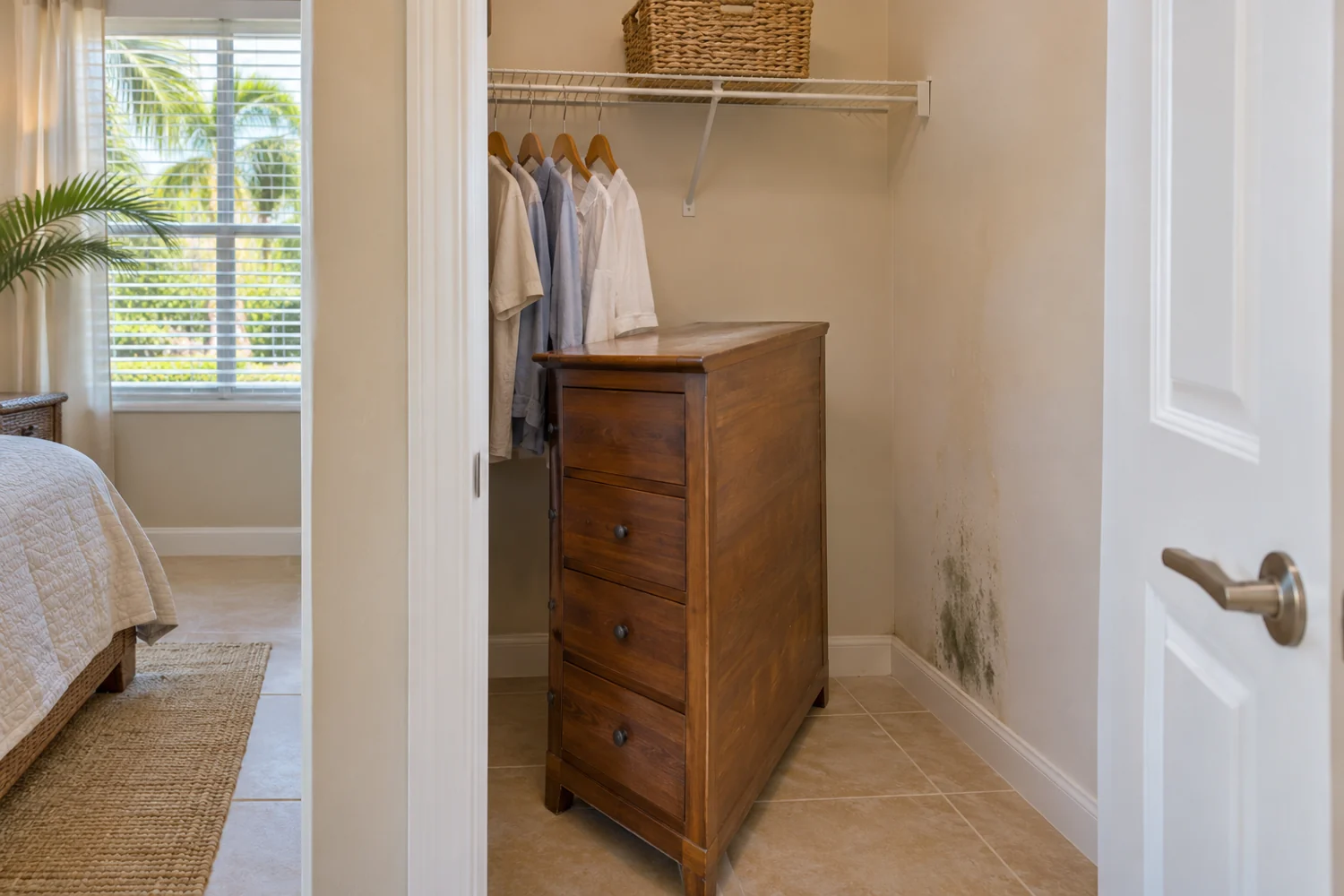
A painted wall can hide damp paper, insulation, or damage on the other side. Blistering paint and recurring stains may justify further investigation. A surface photograph cannot establish how far the moisture traveled. Explain the leak history so the proposed scope considers more than the visible spot.
Ask why a material needs removal
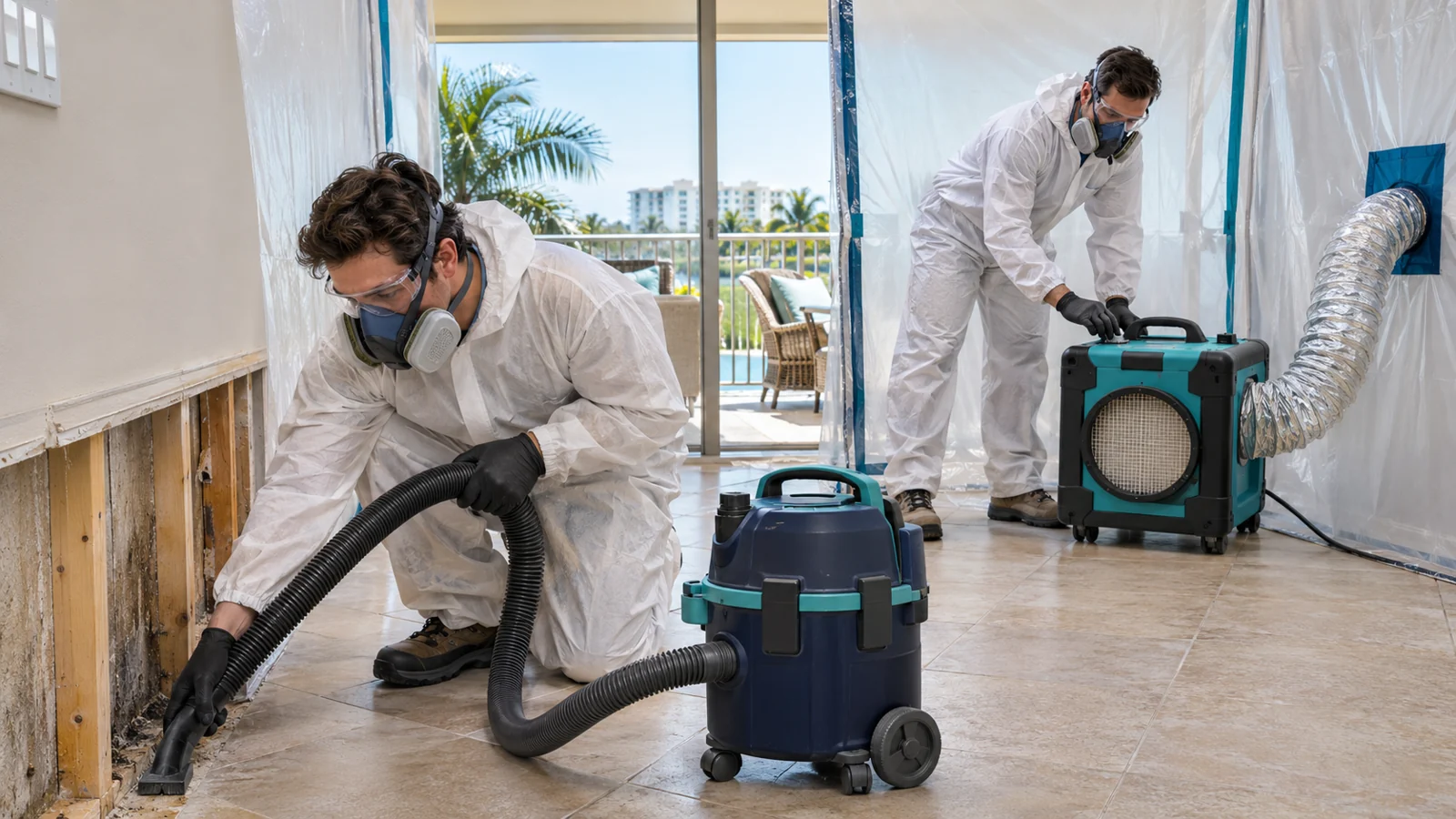
Porous materials that are mold-affected or badly damaged may not be suitable for surface cleaning. The estimate should identify what will be removed and how nearby areas will be protected. Controlled access and debris handling help limit the spread of dust during the work. Ask how newly discovered conditions will be discussed if the wall is opened.
Do not rush to cover the area
Repairs should follow correction of the source and review of remaining moisture. New drywall over damp framing can conceal a problem rather than resolve it. Discuss whether independent verification is appropriate for the project. The repair contractor should understand what remediation completed and what remains outside that scope.
Discuss the cleanup at your property
Tell us where you found damage, when it appeared, and whether the source is still leaking. Let us know about a report or repair contractor already involved. We can discuss the remediation scope and the questions that need a separate professional. Call to confirm scheduling and the next step for your property.
Talk about your property