
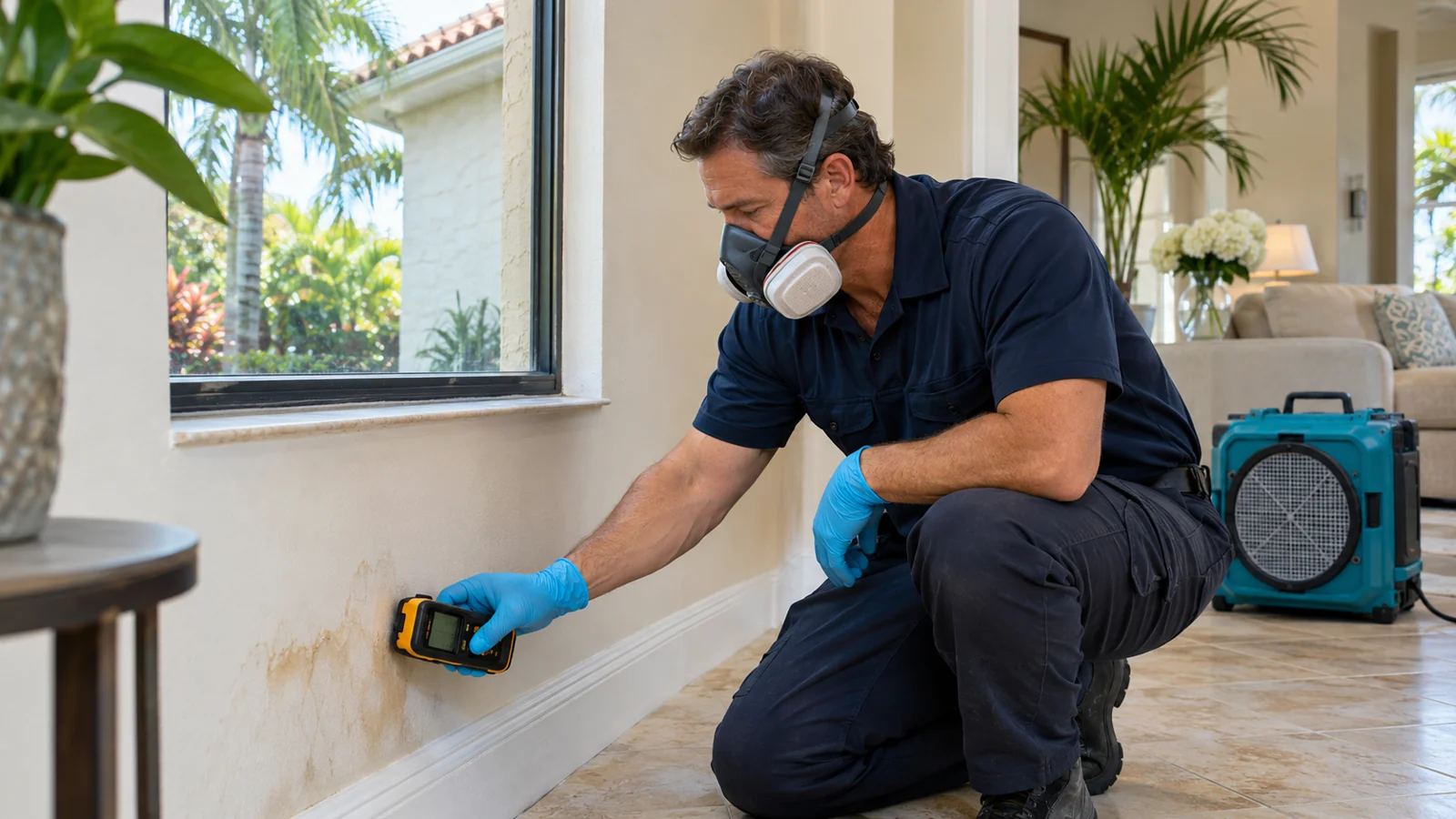
A stain needs context
A property inspection may identify moisture damage or conditions that call for further evaluation. Ask about the leak history and any available source-repair records. The appearance of a stain alone does not establish the extent of mold or the cost of cleanup. A qualified independent assessor can help define questions that need a separate mold evaluation.
Compare scopes instead of assurances
A remediation estimate should explain the affected materials and proposed work. Ask what is excluded, including testing, source repairs, and reconstruction. Review how concealed damage or a change in scope would be handled. Statements such as “treated” or “painted” are less useful than a description of what was actually removed, cleaned, and repaired.
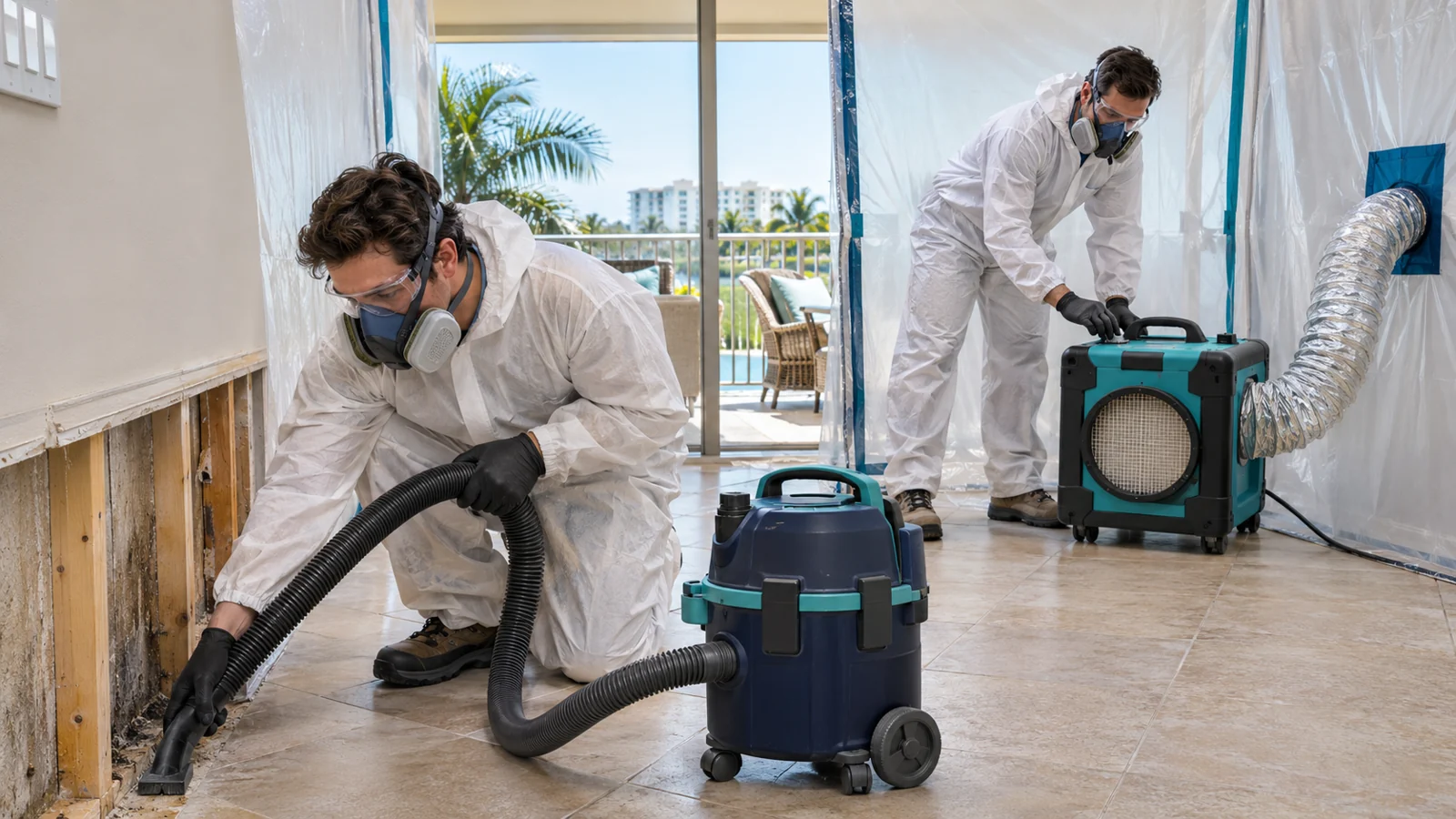
Keep transaction advice with the right professional
Your real-estate and legal advisors should answer questions about contracts and disclosure duties. The remediation team can explain its scope and the conditions it addressed. Independent verification may be useful when a transaction requires it. Keep reports and invoices together so the next owner can understand the work without relying on a vague verbal summary.
Discuss the cleanup at your property
Tell us where you found damage, when it appeared, and whether the source is still leaking. Let us know about a report or repair contractor already involved. We can discuss the remediation scope and the questions that need a separate professional. Call to confirm scheduling and the next step for your property.
Talk about your property