
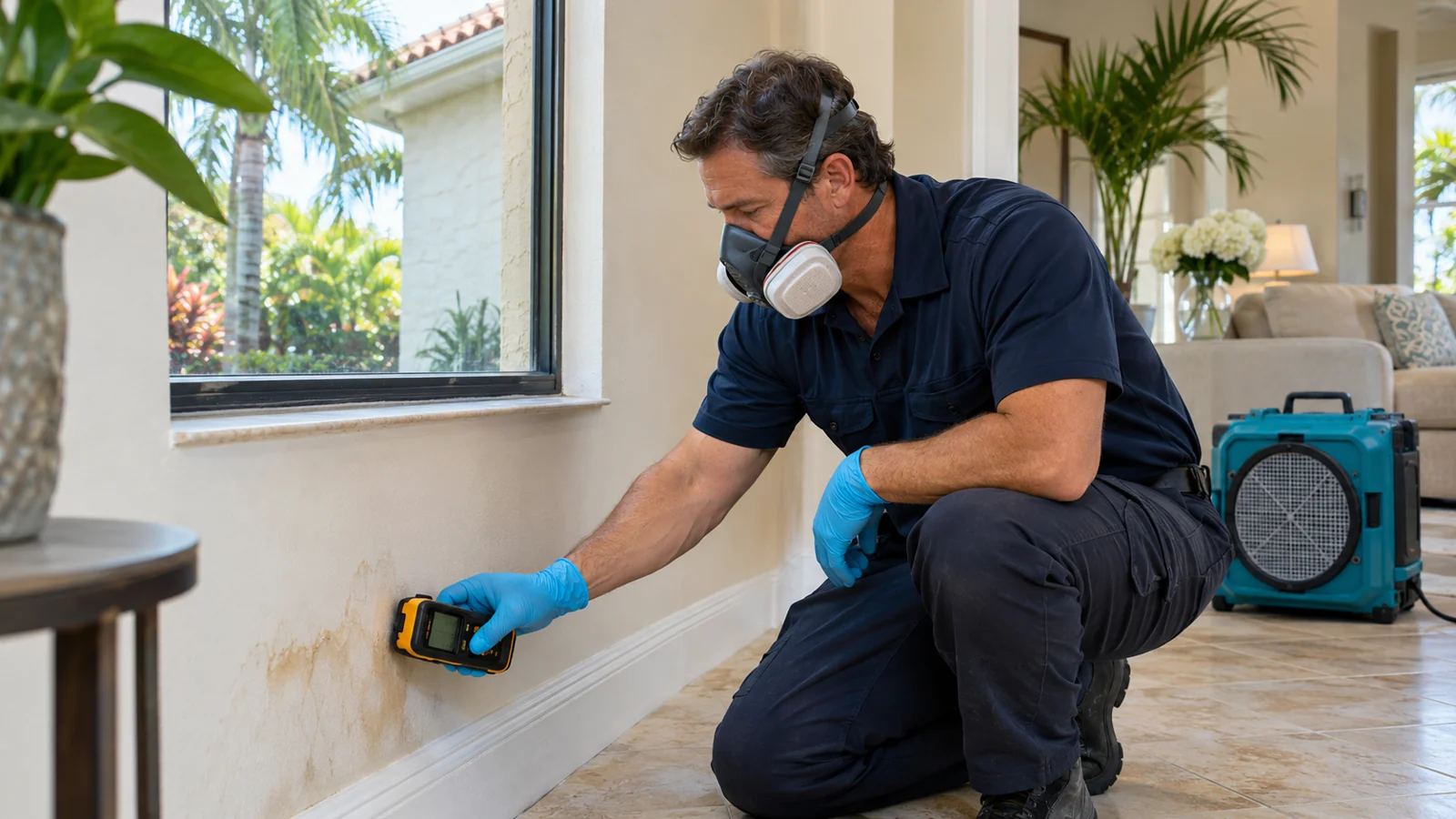
Describe conditions rather than guessing the species
Report the location, visible damage, and when you noticed it. Include photographs if they can be taken without disturbing the affected area. Explain whether there is an active leak or whether the change follows rain or cooling-system operation. A clear description is more useful than labeling every dark spot as a particular mold.
Keep a record and arrange access
Use the property’s established maintenance contact and keep a copy of your report. A property manager may need to coordinate an assessor, repair contractor, and remediation team. Agree on access and ask which rooms or items need to remain undisturbed. Questions about lease rights and responsibilities should be directed to a qualified local advisor or official resources.
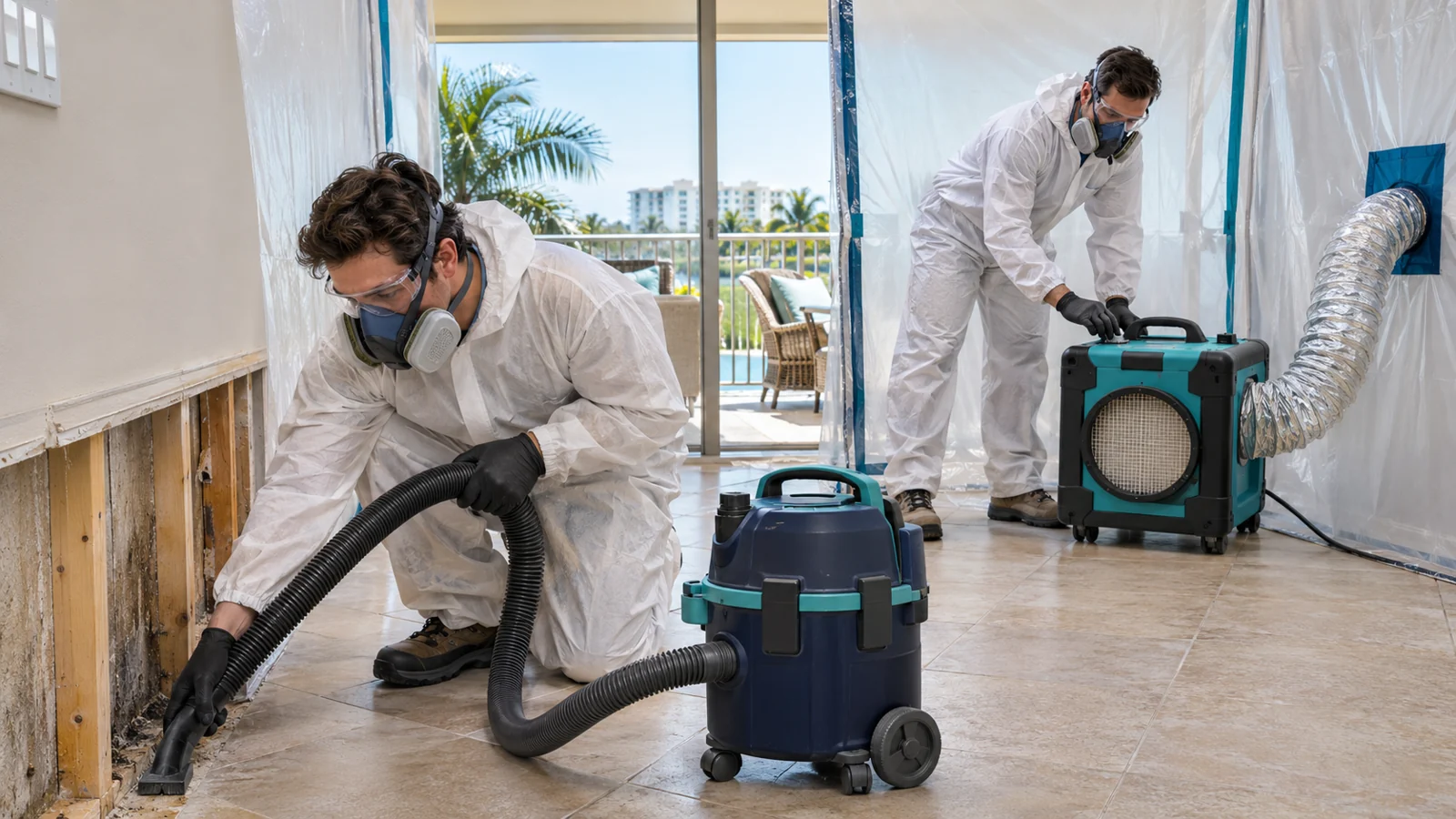
Follow up on the source and the cleanup
Ask whether the moisture source has been investigated as well as the visible surface. A painted patch does not explain what happened to damp materials behind it. Keep communication focused on the work proposed and the next step. Personal health concerns should be discussed with a healthcare professional rather than diagnosed through a maintenance request.
Discuss the cleanup at your property
Tell us where you found damage, when it appeared, and whether the source is still leaking. Let us know about a report or repair contractor already involved. We can discuss the remediation scope and the questions that need a separate professional. Call to confirm scheduling and the next step for your property.
Talk about your property