Humidity is a pattern, not one reading
A room can feel cool and still have too much moisture in the air. Humidity changes with weather, air-conditioning operation, and daily activities. A simple humidity monitor can help show whether a room stays damp over time. Compare readings from several locations instead of assuming the thermostat tells the whole story.
Make prevention fit the building
EPA guidance recommends keeping indoor relative humidity below 60 percent and ideally between 30 and 50 percent where practical. An HVAC professional can help determine why a particular system or room does not control moisture well. Check for leaks and condensation instead of treating ventilation as the answer to every problem. Opening windows during humid weather can bring additional moisture inside.
When moisture has already caused damage
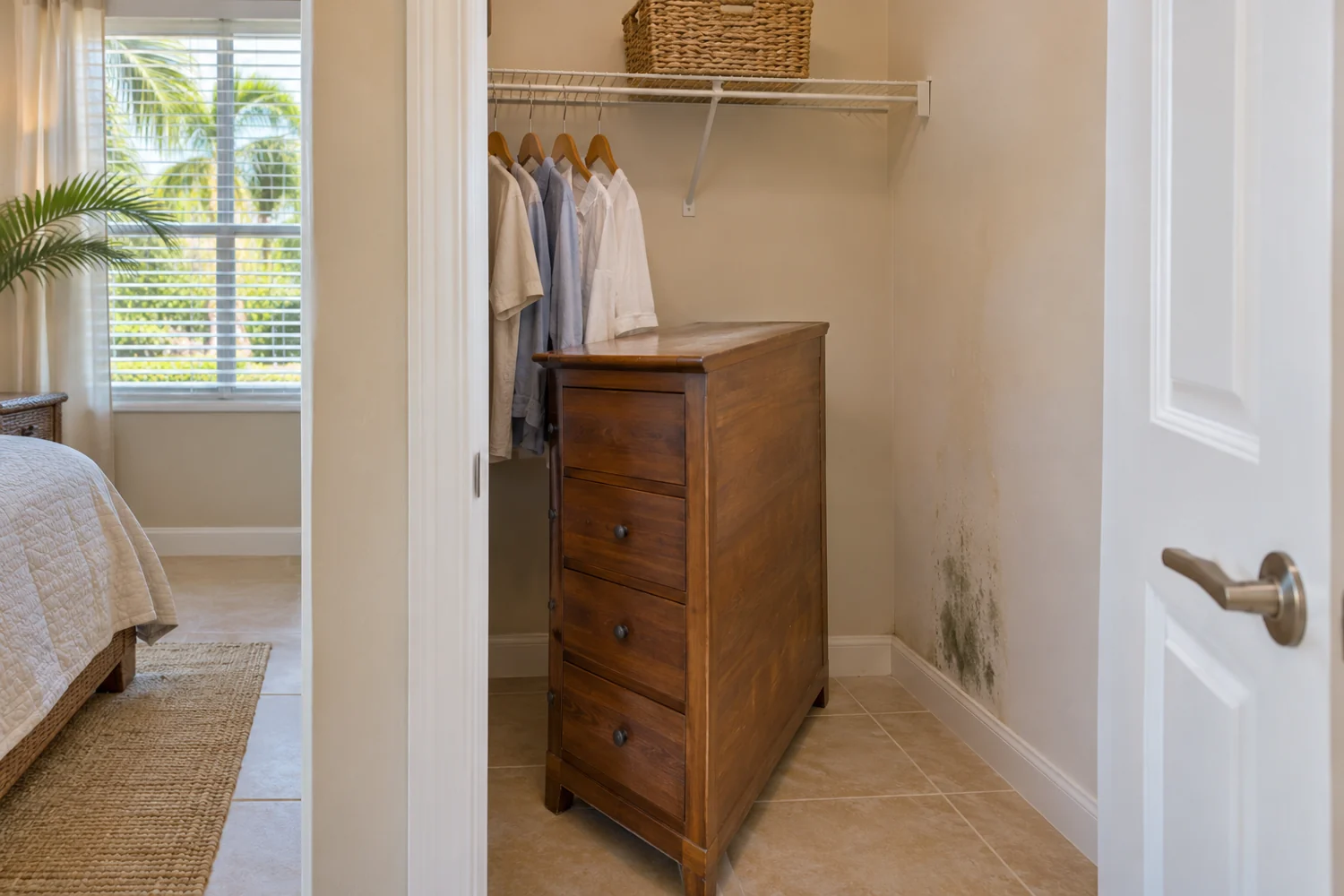
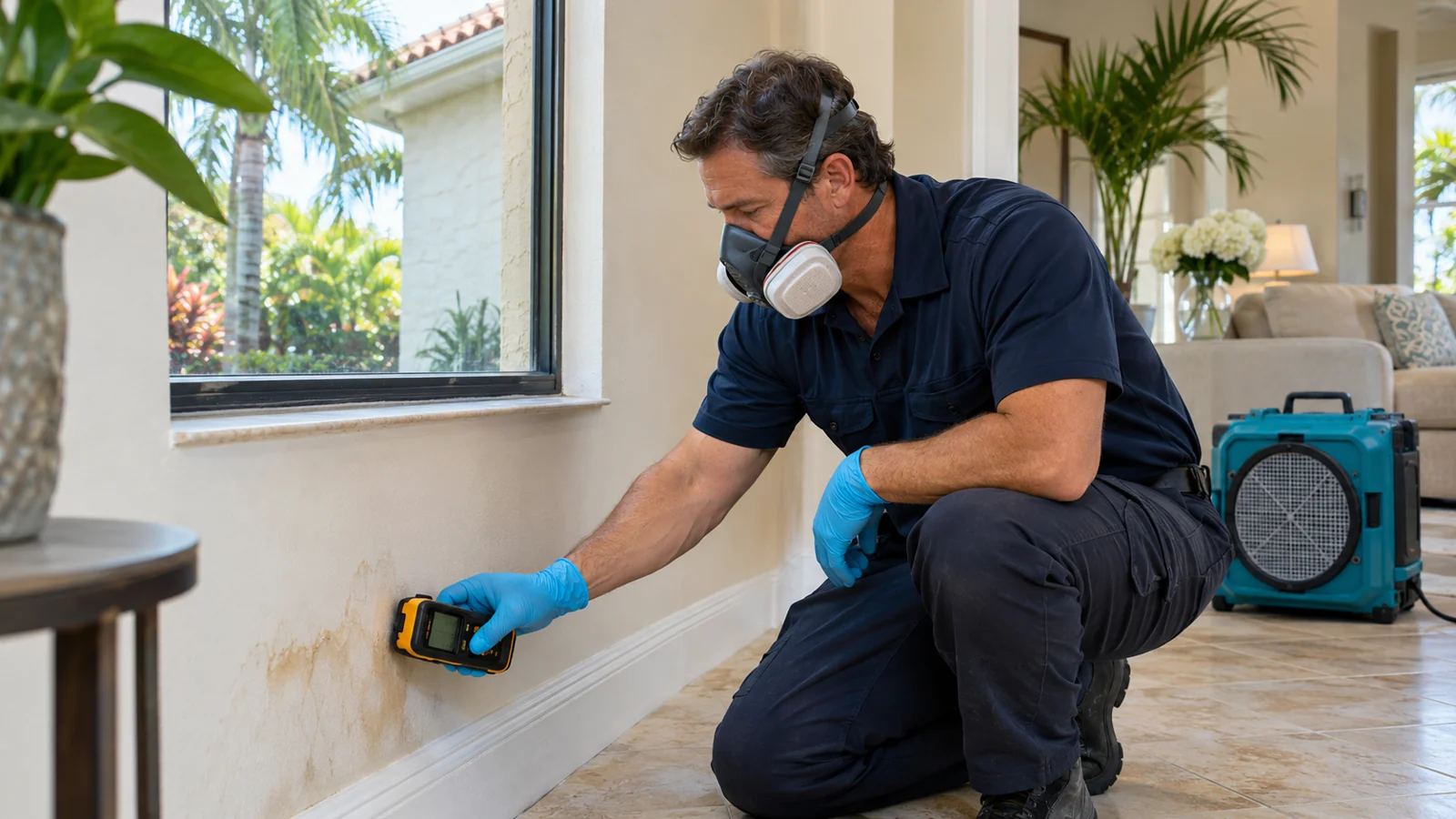
Humidity control does not remove existing growth from affected materials. Check closets, wall surfaces behind furniture, and rooms that remain closed for long periods. If you find recurring spots or water-damaged finishes, discuss both cleanup and the moisture source. A prevention plan works best when it follows the actual conditions found at the property.
Discuss the cleanup at your property
Tell us where you found damage, when it appeared, and whether the source is still leaking. Let us know about a report or repair contractor already involved. We can discuss the remediation scope and the questions that need a separate professional. Call to confirm scheduling and the next step for your property.
Talk about your property